
Trainings and Courses
At Vertex Learning Hub, we deliver high-quality, CPD-accredited training designed specifically for professionals working in health, social care, mental health, and residential childcare settings.
Our courses are practical, up to date, and grounded in real-world experience. They are designed to support safe practice, professional development, and regulatory compliance, while promoting dignity, inclusion, and person-centred care.
All training is delivered by experienced practitioners with extensive frontline and leadership experience in the care sector.
Face to Face + Online
Most of our trainings are face to face while few are online
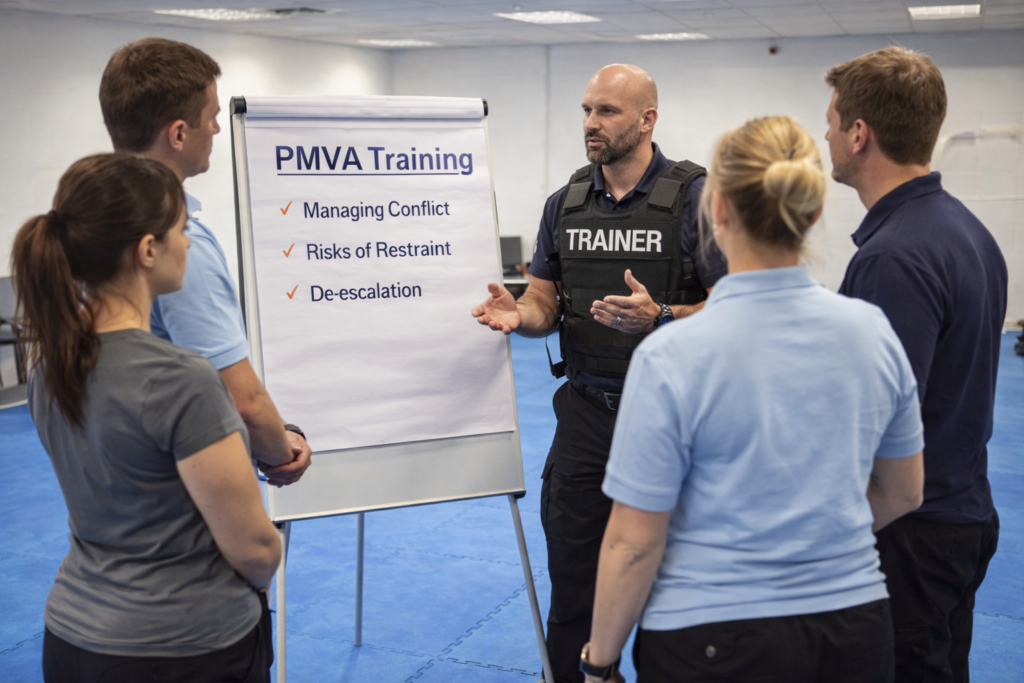
PMVA (Physical): Prevention and Management of Violence and Aggression

Date:

Face to Face
CPD Accredited – 12 CPD Hours
This practical, face-to-face course equips staff with the skills and confidence to prevent, manage, and respond to violence and aggression safely and lawfully. The course emphasises prevention, de-escalation, and the proportionate use of approved physical intervention as a last resort.
Key areas covered include:
- Understanding violence and aggression
- Behaviour as communication
- Risk assessment and dynamic decision-making
- De-escalation and disengagement strategies
- Approved physical intervention techniques
- Legal, ethical, and human rights considerations
- Post-incident reporting and reflection
Suitable for:
Staff working in environments where physical intervention may be required, including care homes, residential childcare, and mental health settings.
This course is delivered face-to-face only due to its practical nature.
Learning Outcomes
By the end of the course, learners will be able to:
- Understand the causes and triggers of violence and aggression
- Identify early warning signs and escalating behaviours
- Apply effective de-escalation and communication strategies
- Carry out dynamic risk assessments during incidents
- Demonstrate approved physical intervention techniques safely
- Use physical interventions lawfully, proportionately, and as a last resort
- Understand post-incident responsibilities, including reporting and reflection
Course Content
- Understanding violence and aggression in care settings
- Behaviour as communication
- Legal and ethical frameworks (duty of care, reasonable force, human rights)
- Risk assessment and decision-making
- De-escalation and disengagement techniques
- Principles of safe physical intervention
- Approved physical intervention techniques (non-pain compliant)
- Team-based responses to incidents
- Post-incident procedures, reporting, and learning
Target Audience
- Care and support workers
- Residential childcare practitioners
- Mental health support staff
- Team leaders and supervisors
- Staff working in environments where physical intervention may be required
Delivery Method
- Face-to-face only (practical skills training)
- Delivered by an experienced PMVA trainer
Assessment
- Practical skills assessment (physical intervention techniques)
- Scenario-based assessment
- Knowledge check and reflective discussion
CPD Hours
12 CPD Hours
(CPD hours reflect practical training and assessment time)
Certification
Learners who successfully complete the course will receive a CPD-accredited PMVA (Physical) certificate, confirming competence in the prevention and management of violence and aggression, including physical intervention.

Health & Safety
Date:
Face to Face / Online
CPD Accredited – 12 CPD Hours
Course Overview
This course provides learners with essential knowledge of workplace health and safety responsibilities, focusing on hazard identification, risk management, and compliance.
Learning Outcomes
- Understand employer and employee responsibilities
- Identify workplace hazards
- Apply control measures
Certification
CPD‑accredited Health & Safety certificate.ion, including physical intervention.
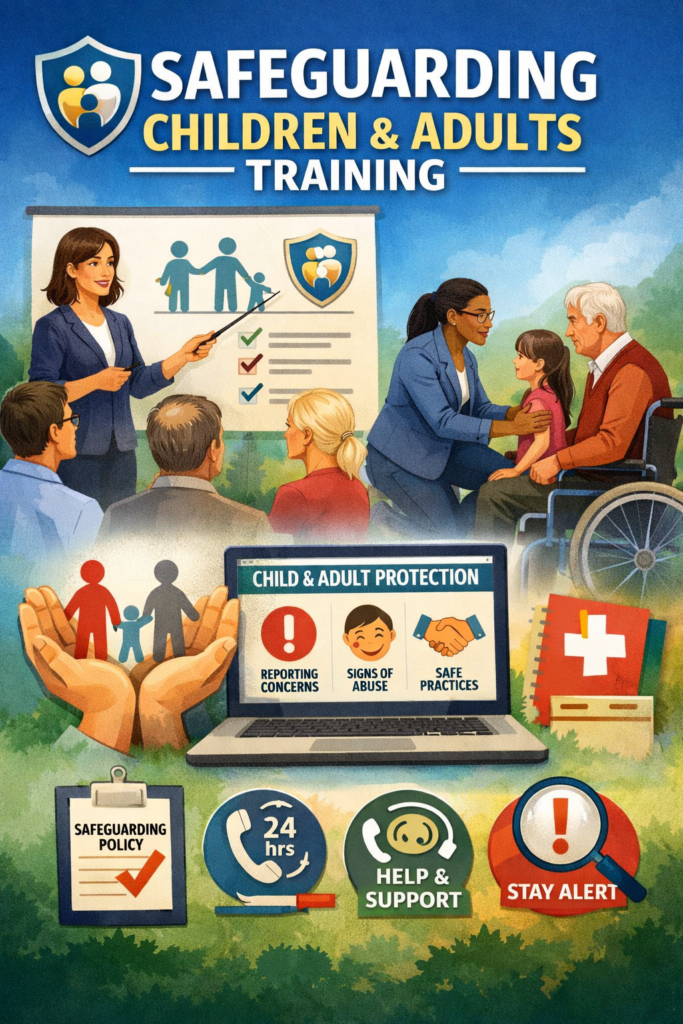
Safeguarding Children & Adults (CPD Accredited)
Date:
face to face
Course Title
Safeguarding Children and Adults in Health and Social Care Settings
Course Overview
This CPD-accredited course provides learners with a comprehensive understanding of safeguarding responsibilities when working with children, young people, and adults at risk. It focuses on recognising abuse, understanding legislation, responding to concerns appropriately, and promoting a culture of safety and accountability within care settings.
The course is aligned with current safeguarding legislation and best practice within health, social care, and residential childcare environments.
Learning Outcomes
By the end of the course, learners will be able to:
- Define safeguarding and explain its importance in care settings
- Identify different types of abuse and neglect
- Recognise signs and indicators of abuse
- Understand roles, responsibilities, and accountability in safeguarding
- Respond appropriately to safeguarding concerns and disclosures
- Follow reporting, recording, and whistleblowing procedures
Course Content
- Principles of safeguarding
- Categories of abuse (children and adults)
- Signs, symptoms, and risk indicators
- Legal and policy framework
- Information sharing and confidentiality
- Reporting concerns and responding to disclosures
- Professional boundaries and safer working practices
Target Audience
- Support workers
- Care assistants
- Residential childcare staff
- Team leaders and supervisors
- New starters and refresher learners
Delivery Method
- Face-to-face / Online / Blended learning
Assessment
- Knowledge check (quiz or workbook)
- Reflective practice activity
CPD Hours
6 CPD Hours
Infection Prevention & Control
Date:
Face to Face / Online
3 CPD Hours
Course Overview
This course supports learners to understand infection risks and apply standard precautions to prevent the spread of infection within care settings.
Learning Outcomes
- Understand the chain of infection
- Apply infection control measures
- Use PPE correctly
Certification
CPD‑accredited Infection Prevention & Control certificate.
Manual Handling Training
Date:
face to face
CPD Accredited – 6 CPD Hours
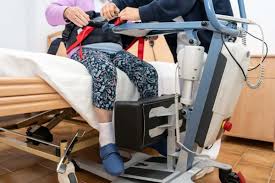
At Vertex Learning Hub, our Manual Handling training equips staff with the knowledge, understanding, and practical skills required to move and handle people and objects safely, while minimising the risk of injury to themselves and others.
This course is aligned with current health and safety legislation and best practice across health, social care, mental health, and residential childcare settings. It promotes safe systems of work, person-centred approaches, and dignity at all times.
Learning Outcomes
By the end of the course, learners will be able to:
- Understand the principles of safe manual handling
- Identify risks associated with poor moving and handling practice
- Explain employer and employee responsibilities under manual handling legislation
- Apply correct posture and body mechanics during moving and handling tasks
- Carry out dynamic risk assessments before and during moving and handling
- Use moving and handling equipment safely and appropriately
- Support individuals to move in a safe, dignified, and person-centred way
- Reduce the risk of injury to themselves, colleagues, and service users
What the Course Covers
- Manual handling legislation and guidance
- Employer and employee responsibilities
- Anatomy of the spine and common manual handling injuries
- Risk assessment and safe systems of work
- Principles of safer moving and handling
- Moving and handling people safely
- Use of moving and handling equipment (where applicable)
- Team handling and effective communication
- Incident reporting and reflective practice
Suitable For
- Care and support workers
- Residential childcare practitioners
- Mental health support staff
- Domiciliary care staff
- Team leaders and supervisors
Delivery Method
- Face-to-face training (recommended for practical skills development)
- Online theory sessions (where appropriate)
- Blended learning options available
Training can be delivered in-house and tailored to organisational needs.
Assessment
- Practical skills observation
- Knowledge check (quiz or workbook)
- Scenario-based discussion
CPD Hours
6 CPD Hours
Certification
Learners who successfully complete the course will receive a CPD-accredited Manual Handling certificate, confirming competence in safe moving and handling practices within care settings.
Important Practice Statement
All manual handling techniques taught during this course must be applied in line with organisational policies, individual risk assessments, and the specific needs of the person being supported.

Register Now!
All CPD hours reflect guided learning, participation, and assessment time in accordance with CPD Standards Office requirements.